



The Enneagram and Divorce:
Lessons for Each of the Nine Types
December 5, 2023
Type One: The Perfectionist

Type Ones are concerned with doing things right, which is why they are labeled, “the perfectionist”. Divorce is often chaotic and filled with uncertainty, and therefore control can be a major issue for ones during this time. Even in peaceful times, ones are plagued by the voice of their inner critic telling them what they are doing wrong and how they can improve. During stressful times, this inner critic may be unrelenting, encouraging them to micromanage everyone and everything around them. Ones are compelled to fix the problems they see around them. Divorce is filled with issues to be managed. When the way to manage these issues are met with resistance from a partner, ones may get more critical and stubborn than usual. Ones are no stranger to anger and resentment and may feel overcome by these emotions during divorce.
Ones go to four in stress. When fours are at their least healthy, they can be manipulative and shame-filled. If you are a one, watch for depression and reach out for support during this time. Fours are able to handle all emotions including sadness and grief more skillfully than most numbers. If you are a one parent, try to maintain an open dialogue with your kids and be receptive to hearing their concerns. Your instinct will be to feel riddled with guilt and shut down. Because ones are excellent taskmasters, use your organizational wizardry to help with consistent schedules and routines that will help your kids feel safe during a more turbulent time.
Helpful tips
- Mistakes will be made along the road of divorce. Because ones hate making mistakes, they can fall into a pit of despair and catastrophize when things don’t go to their plan. If you are a one going through a divorce, remember that when one thing doesn’t go your way, all is not lost.
- Heap on a very large dose of self-compassion.
- Strive for “good enough” in all that you do right now.
- Shrink your inner critic and try to be less sensitive to criticism.
- Choose to go to the high side of four instead of the low side. Find a way to deal with stress through creative pursuits and be emotionally honest about your challenges with trusted friends, family, a coach or a therapist.
Type Two: The Helper
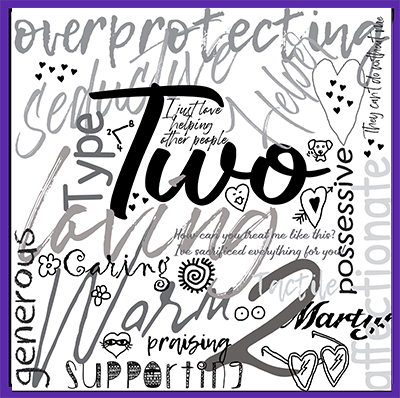
Type Twos are the most relational which is why they are labeled “the helper”. Because divorce is about the rupture or break in a relationship, twos struggle greatly about the meaning of this breakup in terms of their worth. A divorce can trigger an all out identity crisis in twos who can no longer introduce themselves as the loving and devoted partner they once were. They also worry a lot about how it will affect the other important relationships in their life including with their children and mutual friends. Once loving and warm, relationships with in-laws can be fraught with new tension and criticism. Because twos struggle the most with criticism, this is particularly difficult. When twos are at their least healthy, they have a tendency to overhelp and give to get. Twos may have a hard time accepting that their partner no longer needs them and run to find other individuals who can meet this need.
Twos go to eight in stress. This can be a startling move to those who know them well. Eights lead with anger and assertiveness and can be prone to blaming their marital issues all on their partner. Once loving and accommodating, in high-conflict divorces, twos go on the offense making sure others around them know how they have been wronged.
Helpful tips
- Most twos have built a good support network – lean on your family and friends during this time and don’t be afraid to ask for help.
- Be prepared to grieve lost relationships during this time and bring up thinking to understand the normal toll that loss can bring.
- Use the high side of eight to assert what you think is fair in settlement and custody discussions instead of playing the martyr.
- Self-care will be your best friend right now. Find as many ways as possible to take care of yourself during this stressful time.
- Don’t run head first into another romantic relationship. Take the time to get to know yourself as a single person and settle into this new identity before looking for a new partner.
- Learn to exercise your “no” muscle. Right now you’ll have lots of extra demands due to the divorce and you need to prioritize yourself and your family.
Type Three: The Performer

Type threes are called “the performers” due to their ability to perform however needed to succeed. Driven, self-confident, and competitive, threes uniquely struggle with divorce because they see it as a personal failure. Threes like to look successful which often means owning status symbols like big houses, luxury cars and other toys. Dividing assets and losing these status symbols may make them feel like they are going backward in life.
Threes are good at quickly accessing how others feel but often ignore feelings when making decisions. The divorce process will go more smoothly for them if they focus more on their feelings and their partner’s feelings when making decisions that will affect everyone long-term. Unhealthy threes may in particular want to retaliate and can get petty when cornered. While they feel like they’ve failed, admitting mistakes and shortcomings can be difficult in high-conflict divorces, for threes. Because threes are good at determining who to be in any given situation, they may have more sway with less experienced mediators and judges.
Threes go to nine in stress which means that they may slow down and become less productive. Unhealthy nines are highly conflict avoidant and isolate. While normally confident and go-getters, when threes go to nine their behavior looks vastly different. If threes can access the high side of nine, they can see all sides of a dispute and be more understanding of their partner’s position in settlement discussions.
Helpful tips
- While you will be good at performing the tasks involved in divorce, remember that grief is not a linear process and a checklist will not help you here.
- Use your natural organizational ability and make a plan to get things moving in your divorce process.
- Hire a coach or therapist to help you work through the difficult task of accepting that your family structure now looks different. Threes like to present a picture in society of success and may struggle with the image of a single-parent or divorced person.
- Workaholism is already an easy place for threes to land when things are going well. When stressed, threes have a tendency to fully immerse themselves in work and ignore other aspects of their lives. Work on work-life balance and find meaning in other places in your life.
- Remember that external success and material possessions don’t define who you really are at your core. Use this time to get in touch with your true self.
Type Four: The Romantic

Type fours are called “the romantic” due to their emotionality, intrigue and interest in deep connections. Fours often feel special, unique and misunderstood. To find a partner who “gets them” and then rejects them, fours can go deep into the melancholy they are known for. Fours can feel that something is missing within themselves and having a partner leave them is an affirmation of this belief. Fours are no stranger to shame and because their orientation to time is the past, they often blame themselves and perseverate on past mistakes. Unhealthy fours can also be quite melodramatic about the breakup, making even small issues seem like the end of the world.
Fours can be moody even on a good day, but divorce often brings these mood swings into full effect, giving those whiplash around them. Fours feel their feelings deeply and riding those waves can be overwhelming and create a lot of important things to be ignored and left undone. Fours already hate the mundane, and fours may have an even harder time with household chores, childcare and bill paying during separation and divorce. Fours go to two in stress which will make them feel more dependent on others and they may need more reassurance than normal.
Helpful tips
- Use your creativity to find some joy right now. Write music, poems or find your artistic side.
- Your feelings and needs will feel extra intense at this time. Remember to lean on but not overload your friends and families with your current feelings and try to keep things in perspective.
- It may be time to look for a divorce support group. Fours can feel all alone with their intense feelings but seeing that others are experiencing similar stresses and feelings can be helpful.
- Access the high side of nine to take a bit of a break from the intensity right now. Practice relaxation and stress relief.
- Don’t wallow in suffering – find ways to spark joy and enjoy small moments, even if fleeting.
Type Five: The Investigator
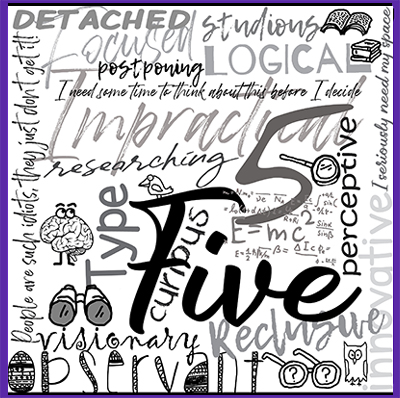
Type fives are called “the investigator” due to their love of knowledge and their observant nature. Fives have a measured amount of energy each day and they are careful how they spend it. While fives can be great mates, they are often introverts and need time alone to recharge after social interactions. Fives are highly independent and may do better than some with the uncoupling process. Desiring a lot of privacy, a five’s worst nightmare is for their divorce to become a public spectacle.
While fives may not show a lot of outward emotion during the process, it doesn’t mean they aren’t suffering. Most fives will look like they’ve fully got it together even when falling apart. Fives need space, privacy and time to process emotional experiences and friends and family may not feel that they are appropriately grieving. In addition, fives may go into analysis paralysis when researching the right attorney, the right divorce process and settlement procedures. They feel knowledge is power and they will try to get every last bit of it when making important decisions.
Fives make the surprising jump to seven in stress which may make them seem uncharacteristically disorganized and distracted. Fives can also come across as sarcastic, rude and superior when they feel backed into a corner.
Helpful tips
- Feelings that you resist will persist. Allow yourself to feel your feelings, if even it takes a while to do so.
- Try not to isolate yourself from others so much that you don’t accept needed help at this time.
- Talk to a good friend regularly and share your deepest worries.
- Go to the high side of seven and do something adventurous or take some time off to travel.
- Find a therapist or coach to help you not get too bogged down in your thoughts
Type Six: The Loyalist
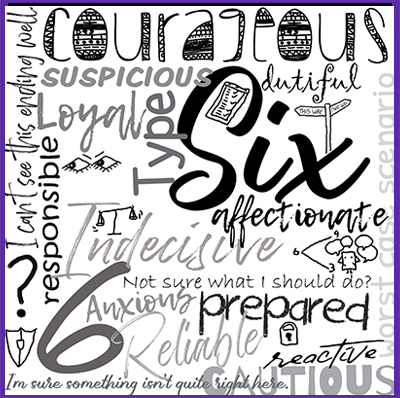
Type sixes are called “the loyalist” due to their dedication to the common good. Sixes are known to be on the spectrum of phobic to counter-phobic which means that they both want to trust and are suspicious of authority figures. At their unhealthiest, sixes are worst-case scenario obsessed, always assuming and planning for an imminent disaster. Because divorce may be one of the hardest circumstances sixes face, sixes can fall into a depression and mantra of “told you it wasn’t going to work out.” Fortunately for sixes, because they saw it coming, they are better prepared in a practical sense to deal with the changes they face.
Sixes may struggle most with their place in community settings after divorce – unsure where they fit in and how others perceive them. Security is of utmost importance to them and being on shaky ground financially and in relationships can be terrifying for them. Already cursed with a large helping of fear and anxiety, sixes find this time especially worrisome. Sixes go to three in stress. Threes are concerned with material wealth and sixes may try to hold tight to all resources during a divorce to provide reassurance that they will not be destitute.
Helpful tips
- Stay away from bad news in the world right now and focus on taking care of yourself and your family instead.
- Be with friends and family who provide calm reassurance and won’t dismiss your fears.
- Try not to catastrophize. Use your strong logic to figure out what you need and how you can take care of practical matters.
- Don’t assume your spouse is going to take you down or leave you penniless. Find ways to see the humanity in them and their intentions.
- Try not to waffle about important divorce decisions – seek knowledgeable resources to help with decision-making if you are feeling unsure of yourself.
Type Seven: The Enthusiast

Type sevens are called “the enthusiast” due to their fun-loving nature and zest for life. Sevens lean into the positive and avoid the negative and can be surprised when things don’t go their way and when their expectations are not met. Sevens are famous for their “reframe” – taking bad situations and remembering them more positively after the fact. Divorce can be unexpected when sevens are not able to accept that their marriage has troubles. They are masters of denial. Sevens avoid pain and negative emotions and unhealthy sevens often find that they can’t cope effectively, sometimes turning to addiction or other avoidant behaviors.
Divorce may be the first time a seven encounters a truly challenging experience in their life that they can’t reframe. This can leave them feeling a sense of chronic deprivation and hurt that can take them down. Most often cheerful and adventurous, a depressed seven will look like an entirely different person. Often friends and family of divorcing sevens aren’t sure how to help their loved one during this time. Sevens aren’t as likely as other numbers to seek therapy either because they don’t want to indulge in negative emotions or discuss the pain. Sevens go to one in stress. Stressed sevens are prone to blame all their marital problems on their spouse, be unwilling to compromise in settlement discussions and be argumentative.
Helpful tips
- Accept that you will most likely feel bad during this time, and that’s okay. Bad feelings aren’t something to fix, they should be felt and then let go.
- Accept that the marriage is over and your part in its unraveling.
- Seek and accept help from others. Know that some of your loved ones will be confused and unsure how to help you because you are rarely in a negative space.
- Notice the urge to drink too much, eat too much and other addictive behaviors as a way to cope. Find other healthier coping strategies.
- Listen to trusted advisors about how you should approach a divorce settlement – you don’t like being told what to do but this is a good time to listen.
Type Eight: The Challenger
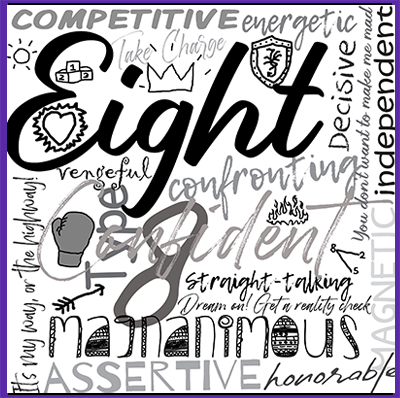
Type eights are called “the challenger” because of their assertive nature. Eight have no trouble asking for what they need and stepping into leadership roles. Already assertive and to the point, eights may look especially bold and outspoken during this time. Eights can become easily annoyed by the slow pace of divorce and will work hard to keep things moving. Eights don’t like to feel controlled and may struggle when things don’t go the way they think is best. Eights struggle deeply with trusting others and worry that they will betrayed. Divorce by a spouse can feel like a deep betrayal for them and may bring about a desire for revenge or retribution.
Divorce can feel like a chess match for eights. They work hard to hide vulnerabilities and use their intelligence to strategize to their advantage. Because anger is always at the forefront for eights, and divorce can feel like a match to be won, and anger is often wielded as a weapon. Eights are very comfortable with conflict which can make divorcing an eight particularly challenging. Eights go to five in stress and become more secretive and paranoid. They can neglect their health and have trouble sleeping.
Helpful tips
- Know that the process may go more slowly than you want. Take the time to figure out what you want and slow down instead of pushing your agenda quickly.
- Lean into your desire for social justice and apply that sense of fairness to how assets can be divided more fairly across households.
- Hire professionals that you have trust in or you will constantly question whether they have your back.
- Try to stay away from all-or-nothing thinking right now – your partner is not either all good or all bad and neither is any solution they may bring up to settle the divorce.
- Make sure you are getting plenty of rest and self-care.
Type Nine: The Peacemaker

Type nines are called “the peacemakers” because they hate conflict and can see all sides of an argument. Nines may have found their way into divorce in part because they didn’t know how to handle the conflict in their marriage and chose to ignore warning signs or their partners’ pleas to work on the relationship. Since divorce can be filled with conflict this is a very challenging process for nines. Fortunately for the nine’s partner, they can expect the nine to be fair and see their point of view. Nines may have trouble figuring out what they need and struggle with standing up for themselves during the divorce process. Some may fall into numbing and avoidance – making addiction a thing to watch for. Nines also have the least amount of energy of any number on the enneagram and may find all the changes and decisions are nearly impossible to deal with during divorce.
Nines go to six in stress. Because sixes and nines can be doubtful about their decision-making, this is a double whammy for nines. Nines may be particularly slow and avoidant during this time and need a lot of reassurance and outside expertise to help them through the divorce process and keep them on track.
Helpful tips
- Nines are known for a technique called merging where they steer their opinion to merge into someone else’s opinion. While this may make a divorce process go more quickly or smoothly, nine’s may agree to something that hurts them long-term. Therefore, nines should be mindful of putting in the energy now to figure how what is best for them and their family, now and in the future.
- Nines are no strangers to being passive-aggressive and nursing grudges. Try to be open about your feelings and how things affect you in the present moment instead of holding onto your anger.
- Nines don’t like feeling pressured to perform and this can be an exhausting time for nines. Try to make sure you are getting in plenty of self-care.
- Use your sense of fairness and the gift of seeing things from all perspectives to create a settlement that will work for everyone.
- Nines don’t do well when their schedule and routines are interrupted. Divorce can wreak havoc on the predictable. See where you are willing to be flexible and try to keep everything else routine for you and your family.